Companies House forms
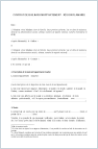
Companies must keep the records at Companies House up to date with certain changes. Use our handy table to make sure you know what to file and when.
What needs filing?
Broadly speaking, if there is a significant change in a company’s make-up, Companies House will need to be notified. Companies House produces forms to use to make sure that all of the relevant information is included. Filing requirements are imposed by the Companies Act 2006, and failure to file some documents can even result in criminal prosecution.
Our table sets out the forms needed for the common events in a company’s life, along with their deadlines and any enclosures and fee required. There are also forms for less common events, such as dissolving a company.
Get it right
There are deadlines for many of the forms, and in some cases the change in question is ineffective until the paperwork has been registered at Companies House. The forms relating to mortgages and charges are particularly strict on the deadline and content (you need a court order to file out of time, for example). This is one of the reasons it will usually be your professional advisor who files these forms.
For all forms it is important to fill them out correctly and enclose any required documents. Each form is annotated with explanations where necessary and a checklist at the bottom to help make sure you have remembered everything.
There is a filing fee for some forms, as noted in the table. They differ depending on the method of filing and can change.
Next steps
The forms (online and paper versions) can be found at: https://tinyurl.com/yce2ulue and the applicable fee here: https://tinyurl.com/ycck9shp
Related Topics
-
HMRC speeds up National Insurance refunds
HMRC has confirmed that it is using a new automated process to speed up National Insurance refunds. Where its records suggest that someone may have overpaid, HMRC will write to them asking them to check their employment and contribution details before any refund is processed. Could you be due money back?
-
Should you voluntarily payroll benefits in kind?
The window to sign up to voluntarily payroll non-mandatory benefits in kind for 2027/28 will open in November. Is it worth volunteering to pay HMRC earlier than required or should you wait until it becomes mandatory in 2028/29?
-
Wise tax statement errors could affect 4,000 customers
Around 4,000 UK customers of financial services provider Wise have been told that tax statements issued between 2021 and 2025 contained incorrect figures. The errors could have resulted in taxpayers paying too much or too little income tax and capital gains tax (CGT). What should affected customers check?